
Cenosphere (also known as hollow ceramic / aluminosilicate microspheres) — i.e. its common chemical, physical and mechanical properties, based on recent technical data from multiple manufacturers / suppliers. Because cenosphere can vary by source, grade and processing, the values below represent a typical range rather than a single fixed "specification".
Cenosphere are lightweight, hollow, spherical particles formed as a by-product of coal combustion (fly ash) in thermal power plants.
+2 IJRITCC +2
Their shell is mainly composed of silica (SiO₂) and alumina (Al₂O₃), often with small amounts of iron oxide and other oxides. SNDB +2
Because of their hollow structure — essentially microspheres with a gas (air / N₂ / CO₂) core — they are much lighter than solid fillers, with low density, good thermal insulation, chemical inertness and stability at elevated temperatures.
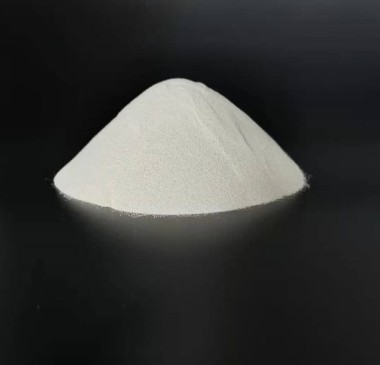
Typical composition ranges (by weight %) found in many commercially supplied cenospheres:
| Component | Typical / Common Range (%) |
|---|---|
| SiO₂ (Silica) | 52 – 65 % |
| Al₂O₃ (Alumina) | 28 – 38 % |
| Fe₂O₃ (Iron Oxide) | 1 – 3 % (up to 4% max) |
| CaO (Calcium Oxide) | 0.1 – 0.5 % |
| MgO (Magnesium Oxide) | 1.0 – 2.5 % |
| Alkali Oxides (Na₂O / K₂O) | 0.2 – 3 % (combined) |
| Internal Gas | ~70% CO₂ & ~30% N₂ |
Actual composition varies by supplier, grade, and processing method. Always refer to the supplier’s Technical Data Sheet (TDS) for exact values.
| Property / Parameter | Typical Range / Value |
|---|---|
| Particle Size (Diameter) | 5 – 500 µm (common grades: 5–300 µm, 5–350 µm) |
| True Density (Specific Gravity) | 0.60 – 0.85 g/cm³ |
| Bulk Density (Loose Powder) | 0.30 – 0.50 g/cm³ (300–500 kg/m³) |
| Bulk Density (Common Specs) | 400 – 450 kg/m³ |
| Shell Hardness | Mohs 5 – 6 |
| Shell Wall Thickness | 5 – 10 % of particle diameter |
| Compressive / Crush Strength | 180 – 280 kg/cm² (≈ 10 – 20 MPa) |
| Moisture Content | < 0.5 % |
| Loss on Ignition (LOI) | ≤ 2 % |
| Melting / Softening Point | 1200 – 1400 °C (up to 1650 °C in some grades) |
| Thermal Conductivity | 0.10 – 0.11 W/m·K |
| pH (in water dispersion) | 6 – 8 |
| Water Absorption | Negligible |
Reduces overall density in concrete, cement slurries, polymers, and composites — ideal for lightweight construction and oil-well cementing.
Low thermal conductivity + high melting point makes cenospheres suitable for refractories, insulation boards, and thermal coatings.
Chemically inert and moisture-resistant — compatible with cement, polymers, paints, coatings, and resins.
Spherical shape improves flow, dispersion, and packing efficiency in powders and slurries.
Your Trusted Global Partner for Organic Cow Dung Fertilizer At Devji Export, based in Raipur, Chhattisgarh, we are committed to promoting sustainable agriculture and eco-friendly solutions. As a premier manufacturer and exporter, we specialize in high-quality, 100% organic cow dung products designed to revitalize soil health and boost crop yields worldwide.
Our cow dung is sourced from healthy cattle and processed meticulously to meet international agricultural standards.
With a robust logistics network, we supply nutrient-rich organic fertilizers to markets in India and abroad.
We operate with transparency, teamwork, and a client-centric approach to ensure your farming success.
Cow dung fertilizer, often referred to as "Black Gold" in organic farming, is a natural byproduct of bovine species. It is a complex mixture of digested grass and grain, rich in minerals and beneficial microorganisms. At Devji Export, we process this raw material into aged compost and powdered forms to ensure it is safe and effective for all plant types.+1
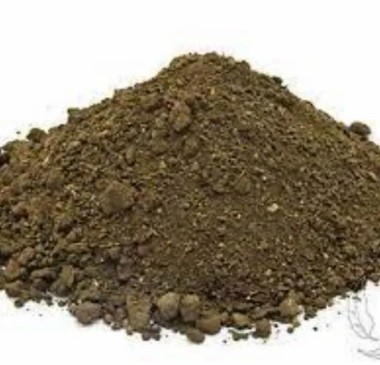
Unlike chemical fertilizers, cow dung provides a balanced, slow-release nutrient profile:
Supports leafy green growth and plant vitality.
Essential for strong root development and flower/fruit production.
Enhances overall plant health and resistance to disease.
Contains traces of Zinc, Copper, and Boron.
Improves Soil Structure: It breaks up compacted soil, improving aeration and allowing roots to breathe.
High organic matter content helps the soil hold moisture for longer periods, reducing the frequency of watering.
It introduces beneficial bacteria and fungi that naturally suppress soil-borne pathogens and pests.
Acts as a natural buffer, helping to stabilize soil acidity or alkalinity for optimal nutrient uptake.
100% biodegradable and free from harmful chemicals, preventing groundwater pollution and soil degradation.
Mix powdered cow dung into the soil (approx. 20–30% ratio) before planting to create a rich foundation.
Spread a thin layer around the base of established plants or trees once a month to provide a steady nutrient supply.
Soak cow dung cakes or powder in water for several days. Dilute the resulting liquid and use it as a "quick-boost" root drench or foliar spray.+1
Add cow dung to your compost bin to speed up the decomposition of kitchen scraps and dry leaves
Limestone is classified by its chemical purity (calcium carbonate content) and its physical form. Exporters typically provide a Certificate of Analysis (COA) including the following:
| Element / Property | High-Calcium Grade | Steel / Industrial Grade | Cement Grade |
|---|---|---|---|
| CaCO₃ (Purity) | > 95% | 90% – 95% | 75% – 85% |
| CaO (Calcium Oxide) | > 53% | 50% – 53% | 40% – 45% |
| SiO₂ (Silica) | < 1% | < 1.5% | < 5% |
| MgO (Magnesia) | < 1% | < 1.5% | < 3% |
| Fe₂O₃ (Iron Oxide) | < 0.1% | < 0.5% | Varies |
| L.O.I. (Loss on Ignition) | ≈ 42% | 40% – 43% | Varies |
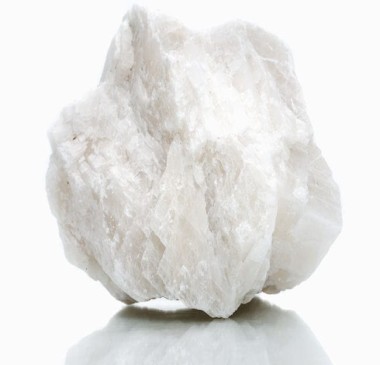
40 mm – 80 mm or 80 mm – 150 mm (commonly used in kilns)
10 mm – 40 mm (used in construction)
Ground to 325 mesh or finer (for paper, paint, and plastics).
Critical for paper and plastic industries. High-grade export limestone typically achieves brightness > 90%.
Measured on the Mohs scale, generally ranging from 3 to 4.
Export pricing is generally based on Dry Metric Tons (DMT) and is adjusted according to grade variations and impurity levels.
Refers to premium-quality hematite or magnetite ores.
Rejection limits typically begin below 63.5% Fe.
The global benchmark grade for pricing (e.g., IODEX).
Commonly traded within the range of 60% – 63.5% Fe.
Lower iron content ores, often subject to higher export duties.
For example, India proposed a 30% export tax on low-grade fines in late 2025.
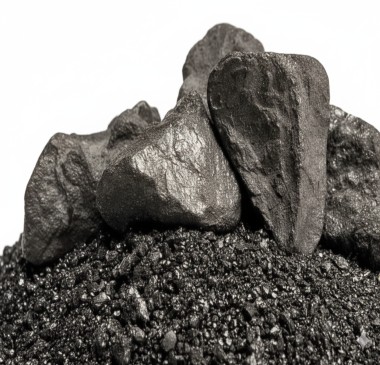
Standard export contracts specify maximum permissible impurity levels to protect blast furnaces and maintain steel quality.
| Component | Standard Export Range (Max) | Impact on Steelmaking |
|---|---|---|
| Silica (SiO₂) | 2.0% – 6.0% | Increases slag volume and fuel consumption |
| Alumina (Al₂O₃) | 2.0% – 4.0% | High levels increase slag viscosity |
| Phosphorus (P) | 0.05% – 0.08% | Causes cold shortness (brittleness) |
| Sulfur (S) | 0.01% – 0.04% | Leads to hot shortness; difficult to remove |
| Loss on Ignition (LOI) | 6.0% – 8.0% | Indicates volatile matter such as bound water |
Manganese ore is generally classified based on its Manganese (Mn) content:
44% – 48%+ Mn content
35% – 44% Mn content
25% – 35% Mn content (often exported as fines)
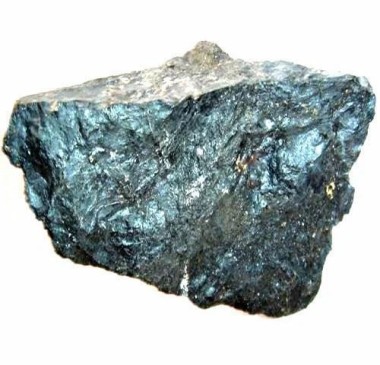
Export contracts typically define maximum allowable limits for impurities such as iron, silica, and phosphorus to ensure metallurgical performance.
| Element | High Grade (46–48%) | Medium Grade (36–40%) | Low Grade (28–30%) |
|---|---|---|---|
| Manganese (Mn) | 46% Min | 36% Min | 28% Base |
| Iron (Fe) | 14% Max | 6.5% – 10% Max | 15% – 19% |
| Silica (SiO₂) | 4% – 6% Max | 14% Max | 19% – 21% |
| Phosphorus (P) | 0.10% Max | 0.05% – 0.15% Max | 0.20% – 0.40% |
| Alumina (Al₂O₃) | 5% Max | 2% – 5% | 4% – 7% |
The physical characteristics of manganese ore play a crucial role in furnace efficiency and shipping performance.
Lumps, Chunks, and Fines
10 mm – 40 mm or 10 mm – 75 mm
Below 6 mm or 10 mm
Typically limited to 1% – 5% Max (for DMT calculations)
Approximately 5.026 g/cm³ for solid high-grade manganese ore

Devji Export, based in Raipur, is a trusted name in the cenosphere industry with over 20 years of experience. We specialize in supplying and exporting high-quality cenospheres to industries across India and around the world.


Copyright © 2025 ❤️ Designed by United Star Solutions